09USTA Homeless Stranger Knelt Before Her Wheelchair… Then the Impossible Began
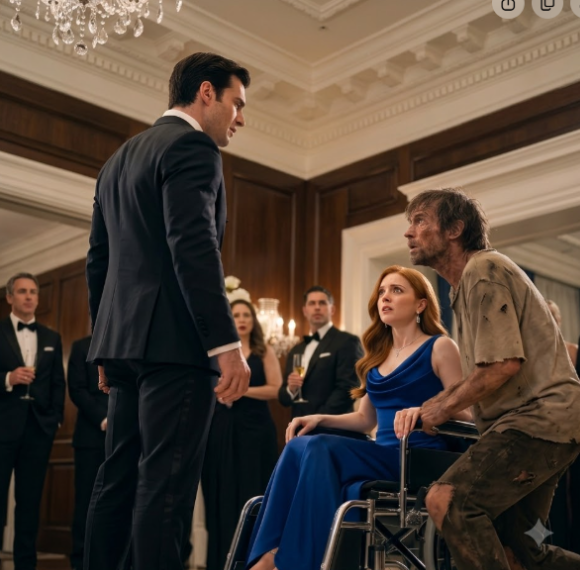
Madison stared at her trembling foot as if it belonged to someone else. The entire ballroom remained frozen, but Samuel never released her hands. “Do it again,” he said softly. Grant snapped out of his shock. “Don’t listen to him! This is some kind of trick.” Madison ignored her fiancé. She closed her eyes, clenched Samuel’s rough fingers, and whispered, “Please… please move.” Her toes curled again. A gasp swept through the gala. This time her foot lifted slightly higher from the wheelchair rest. Madison broke into sobs. “I can feel it! Oh my God, I can actually feel it!” Grant staggered backward, his face suddenly pale. Samuel looked up at Madison, his own eyes wet. “Your body never forgot,” he murmured. “Someone just convinced you to stop believing it could answer.”
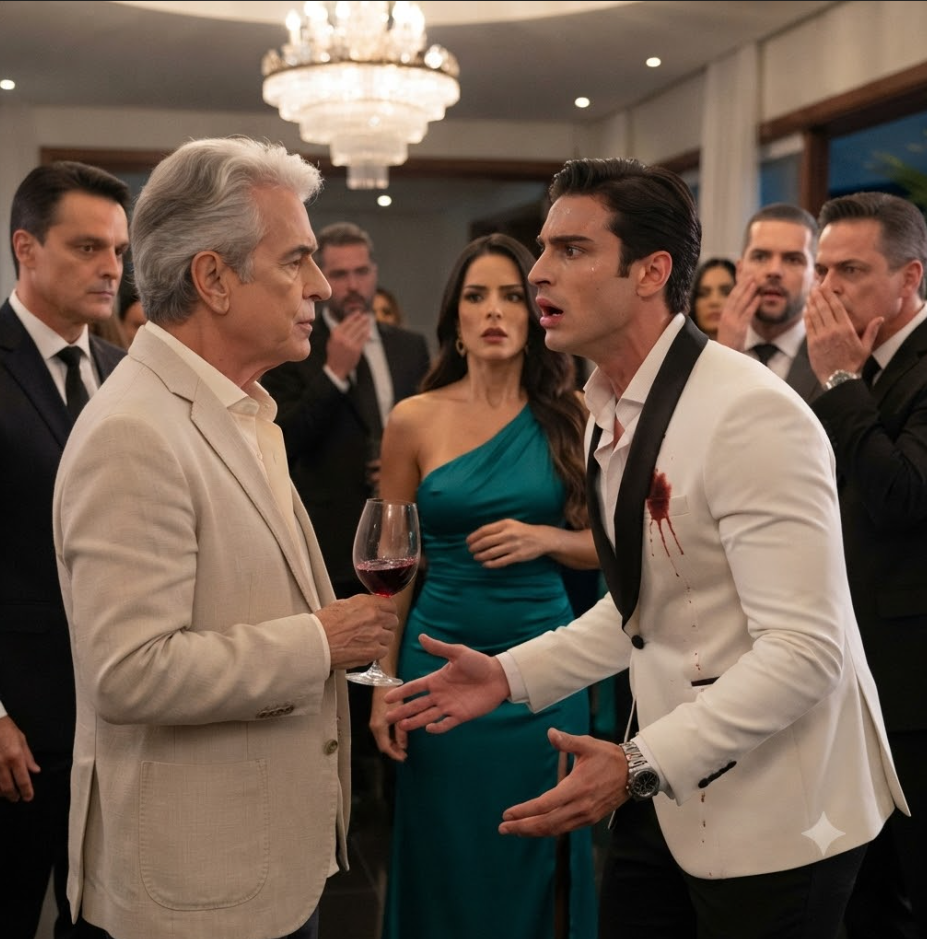
Grant rushed forward. “That’s enough. Madison, we’re leaving.” He grabbed the wheelchair handles, but Madison locked the brakes. “Take your hands off my chair.” Grant froze. She had never spoken to him that way. “Baby, you’re overwhelmed.” Madison’s voice sharpened. “I said take your hands off.” Slowly, Grant released her. Samuel rose unsteadily from his knees, and one of the security guards moved toward him. “Sir, you need to leave.” Madison immediately shouted, “Nobody touches him!” Then she looked at Samuel. “Who are you?” Samuel hesitated. “Someone who knew your case before you knew my name.” Grant’s expression changed. “What the hell does that mean?” Samuel reached into the torn inside pocket of his jacket and pulled out a folded, weathered photograph. “It means I was there the night Madison was told she would never move her legs again.”
Madison’s breathing stopped. Samuel unfolded the photograph. It showed a younger Samuel wearing hospital scrubs beside a rehabilitation team. Madison stared at it. “You were a doctor?” Samuel shook his head. “Physical therapist. Neurological rehabilitation.” Grant scoffed. “Then why are you living on the street?” Samuel’s jaw tightened. “Because seven years ago I refused to sign a report saying Madison’s condition was irreversible.” The room went silent again. Madison whispered, “What report?” Samuel looked directly at Grant. “The one his family’s private medical consultant demanded.” Grant’s face hardened. “You’re lying.” Samuel answered, “Then explain why I was fired forty-eight hours later.” Madison turned slowly toward Grant. “Your family knew?” Grant shook his head. “Madison, don’t do this.” Samuel stepped forward. “Ask him why every therapist who reported progress suddenly disappeared from your treatment team.”
Madison stared at Grant with growing horror. “You told me they quit.” Grant’s confidence cracked. “They did.” Samuel reached into his pocket again and produced a small flash drive. “Not all of them.” Grant lunged toward him. “Give me that!” Security instantly stepped between them. Madison flinched. “Grant!” Samuel held the drive tightly. “Seven years of medical correspondence. Test results. Internal emails. Enough to prove that Madison showed voluntary nerve response months after the accident.” Madison began shaking. “Why would anyone hide that from me?” Samuel’s answer came quietly. “Control.” She looked at Grant. His silence said too much. Madison whispered, “You liked me dependent on you.” Grant exploded, “I protected you!” Madison’s tears turned cold. “You protected yourself.” Samuel added, “And someone paid very well to make sure she never questioned the diagnosis.”
Grant pointed furiously at Samuel. “This filthy fraud walks into my house and suddenly everyone believes him?” Madison looked around the ballroom. “This is my family’s estate, Grant.” His mouth closed. She continued, “And this ‘filthy fraud’ just gave me something your money, your specialists, and your promises never gave me.” Grant whispered, “What?” Madison looked down at her foot. “Hope.” She turned to the head of security. “Call my attorney. And call the hospital board.” Grant stepped closer. “Madison, think about what you’re doing.” She looked him straight in the eyes. “For seven years, I’ve done nothing but think about what I couldn’t do.” Then she removed her engagement ring. Grant stared at it in disbelief. Madison held it out. “Tonight I finally moved something you couldn’t control.” She dropped the ring into his palm. “My future.”
Hours later, doctors privately examined Madison while Samuel waited outside the medical suite. When the specialist finally emerged, Madison’s mother rushed forward. “Well?” The doctor smiled cautiously. “There is measurable voluntary motor response. We need extensive testing, but this is real.” Madison covered her mouth and cried. “So I might walk again?” The doctor knelt beside her chair. “I won’t promise walking. But whoever told you there was absolutely no neurological potential may have been wrong.” Madison looked toward Samuel. “You knew.” He shook his head. “I suspected. There’s a difference.” She reached for his hand. “Then stay. Help me.” Samuel looked down at his dirty clothes. “Madison, look at me. I don’t exactly belong in your world.” She smiled through tears. “You were the only person in that ballroom who treated me like I belonged to myself.”
Six months later, the Beverly Hills ballroom looked completely different. No gala. No champagne towers. Just Madison between parallel rehabilitation bars, Samuel beside her in clean but simple clothes, and her family watching silently. Grant was gone, facing civil and criminal investigations connected to the falsified medical records. Madison gripped the bars. “Samuel, I’m scared.” He smiled. “Good. Courage doesn’t happen without fear.” She took one trembling step. Her mother gasped. Madison laughed through tears. “I did it!” Samuel nodded. “Again.” She took another. Then another. Finally Madison turned toward the man everyone once wanted thrown into the street. “You walked into my life looking like you had nothing.” Samuel smiled faintly. “I did have something.” Madison asked, “What?” He answered, “The truth.” She took one final step toward him and embraced him. “Then you gave me everything.” And for the first time in seven years, Madison Whitmore stood on her own feet—not because someone saved her, but because someone finally gave her back the right to believe she could save herself.
Comments (0)
Loading comments...
May You Like

Latest Posts





Popular Posts